
De-influencing Indie Book Publishing

I’ve been back on the self-promotion social media grind for almost a month now after publishing Harrock & Quimby and….oh boy. I don’t know what happened in the three to five years where I took a step back to actually live life, but there are some wild things going on in the self-published/indie author space. Heck, there are some wild things going on in the wannabe-social media influencer spaces too, but that might need to be a separate conversation.
To be clear, I’m not promoting myself as a super successful indie author who knows all. I previously had some minor success on social media as a micro-influencer on YouTube/Bookstagram from 2013-2020 and I’ve self-published three books through my own publishing imprint since 2018. However, I’m not on any bestseller lists or even living independently off of my writing yet (what’s up fellow creatives with day jobs).
But I am happy with my life and my work despite not following the promoted trends from other indie authors and wannabe-social media influencers. So here are all of the ways I deviate from the crowd, in case you also need the reassurance when you also sometimes feel like Will Ferrell in Zoolander (2001) while scrolling through Indie Authorgram:

Don’t spend thousands of dollars on marketing
One of the most wild concepts I’ve seen during my return to social media marketing is authors spending $10,000-$40,000 a book to launch their novels, with most of that money spent towards marketing. My heart especially hurts for the author who spent $44,000 launching her book for only three book sales conversions (Substack). That’s literally an entire annual salary. Do you know how much I’ve spent on marketing for all three of my novels in the eight years since I’ve started publishing them?
$30.
In fact, I literally just spent that $30 like a week ago to boost an Instagram post mostly out of curiosity to test if it would be an effective promotion or not. It did okay and what it was supposed to do, thanks for asking. Before last week though, I spent literally $0 on marketing, which probably explains my lack of success in being able to live independently from writing. You don’t need to spend thousands of dollars, but some dollars probably help. Not that I know that for sure, but I’m actively experimenting and finding out if they do.
Anyways, I get it. Marketing is tough. Selling books is tougher. But throwing more money at the problem doesn’t always solve the problem. If you’re an indie author, the truth of the issue is that no matter how much of your own money you spend on marketing your novel, you’re never going to reach commercial levels of success. Traditionally published novels just have too much of a powerhouse of finances backing them from publishing houses that have existed for literally decades with incredible success and known names that can be recognized even by non-readers (The Literature Times). Three mortgages and mountains of personal credit card debt just cannot compete with that level of commercial support.
If you’re going to spend a chunk of money on anything for your book, invest it into the editing and cover design of your novel. It doesn’t matter if you spend your life savings getting the book into readers’ hands if the readers don’t enjoy the novel or think it’s cheaply produced. Focusing on crafting a good story will do more for your writing career than investments in Booktok influencers or Facebook ads.
If you are going to ignore me and invest serious money into marketing, make sure it’s a targeted effort based on the actual type of readers you want for your book. Don’t do a broad sweep of a general audience because “anyone can read it!”, because that also adds to the marketing budget since those “general” audience sweeps are more expensive (and less effective) than targeting based on specific demographics. Look at me as an example: I will literally read everything at least once, but even a genre slut like me has my preferences for what I will, and will not, spend my time with. Every reader has those preferences, even the folks who only read one book in a lifetime. Stretch your dollar for every penny it’s worth and make sure it’s actually adding value to getting your book in the right hands rather than tossing money in the fire to stay warm.

While I’m at it, don’t spend money on CanvaPro or Instagram subscriptions
I frankly didn’t even know Instagram offered a monthly subscription model until Instagram Influencers told me about it. Apparently, you can pay $14 a month for a little blue check mark verifying your identity to the world. You know that it’s a scam to get Meta more money, right? If you’re paying $14 a month for Instagram to “protect your brand”, I have to be honest and let you know that your online identity probably isn’t worth stealing. Instagram gives that verification to you for free once you become notable enough. I can almost guarantee 99% of followers aren’t double checking your verification anyways before they follow you. They might see the blue check and go “oh neat”, but it shouldn’t be the end-all-be-all for your brand.
Kind of along the same lines, but while CanvaPro has some cool features, you don’t need it. The free version of the popular online graphic design site is perfectly robust enough for most graphic design purposes. Even if you’re subscribed for the “premium” templates and design elements, it’s still the same elements that other CanvaPro users have access to so you’re not being original with that premium offering. If you build your own templates from scratch with the free stuff, you can still get unique and creative templates that you can copy and paste forever and ever. Put some elbow grease into a free Canva account and save yourself $144 a year.

Backlist > New Releases
It seems to me that indie authors are always in such a hustle to be successful. There’s a lot of pressure to make a lot of sales quickly in the first few weeks with no attention spent on the backlist.
I understand that pressure if you’re writing contemporary fiction. I once had to shelf a novel manuscript because a large portion of the plot was dependent on Twitter and, well, now that site is no longer Twitter. So relevance is important to publishing some stories depending on the subject matter. But if you ask me, the majority of my sales and marketing efforts are dependent on my backlist. I think stability in a writing career comes from the long game with a robust backlist of solid titles rather than short lived promotions for the new and shiny books with an attempt at a one-hit wonder.
Let’s look at commercially successful authors: Suzanne Collins published seven books before The Hunger Games took off. Rebecca Yarros published twenty novels before Fourth Wing. If you’re looking at a series like Harry Potter for debut novel success, that’s literally a literary miracle that happens once in a generation. Don’t look at Harry Potter for the markers of your success.
You have time to be successful. You can chill. Poor sales in your first week won’t make or break your writing career, especially if you’re an indie author in charge of your own path. You can keep writing and publishing after a flop. Just keep on writing, create work that you’re happy with, and your stories will find their readers.

ARC Teams are Overrated
This one I’m a bit on the fence about, because I can see the appeal and the benefit of the service on paper if everything worked perfectly for it. The idea is that a volunteer ARC (or Advanced Reader Copy) team reads your book before release and then hypes it up with book reviews, posts, etc. on their own social media channels before the formal launch to the overall public. In terms of marketing, this would be a perfect cost-effective way to get the word out about the novel through the best method possible: natural word of mouth.
However, in execution, this idea fails more often than not. First off, the people who are going to volunteer to read your book and promote it for free are also the people who are likely most interested in buying it. So, from a pragmatic point of view, you’re already cutting off potential sales by giving away the book for free to the people most interested in spending money on it. Not only that, but their audiences hypothetically have the same interests they do, so you’re not really expanding your audience reach. You’re just kind of chasing the same people in the same circle and hoping that circle somehow grows.
Second, in my experience with beta readers or ARC promotions, you’re typically spending 90% of your time chasing the readers to actually do the thing they promised to do. I get it: everyone is busy and reading shouldn’t be a job. But it kind of defeats the purpose of an ARC campaign if the readers aren’t posting on time. I also always feel bad demanding a deadline for people doing me the great generosity and service of actually engaging with my work and promoting it for free.
Third, depending on your recruitment efforts, the ARC team reviews may hinder more than help. If you’re throwing an ARC into random (but willing) hands, you’re running the risk of getting it slammed by a reader who wasn’t meant for the book’s audience before the book’s audience even has a chance to try it for themselves. This seems especially common for NetGalley ARCs that don’t vet the readers applying for an ARC because they’re just happy someone is interested in reading and promoting their book after paying the submission fee to get it published to NetGalley readers.
ARC teams are probably a much more effective strategy for traditionally published novels with the firepower behind them to expand their reach, but for most indie authors, it’s a lot more admin work and hassle than it’s likely worth. By all means, have someone read your novel before you publish it. Actually, pretty please with sugar on top, absolutely have someone that’s not you read your work before it publishes. But keep that readership to the editing/beta stages of publishing and let your work speak for itself once it’s available for all readers.

Kindle Unlimited is where literature goes to die (unless your book is smut)
Kindle Unlimited is Amazon’s e-book subscription model where users pay a monthly fee for access to twenty books a month only available through the service (which a twenty book limit doesn’t sound unlimited...unless I’m missing something with the name there). But I’m telling you right now, from someone who truly cares about all books in all shapes and sizes, this service only works for romance authors. In general, e-book sales work best for romance compared to any other genre (Oxford Book Writing). That is totally fine. I love a good romance book and think a Netflix-like subscription model works very well for the genre, especially for the spicy stories. But if you write literally any other genre but romance, you’re better off investing your e-book distribution efforts through other platforms like IngramSpark or Draft2Digital. Don’t listen to authors on the ‘gram bragging about their fantastic KU sales and think you need to sign your book’s soul away for the exclusivity rights to Amazon to meet those sales numbers and compete with KU authors.
Also, on a personal note, I just hate Amazon and would prefer my e-books live with other e-book distribution options such as Hoopla and Libby. They’re e-book subscription models that are typically free through your local library. If you don’t already know, reach out to your library to see if they offer Hoopla or Libby for free e-book borrowing instead of supporting Kindle Unlimited!

You don’t need to be on social media every single day
Fun fact: if you delete Instagram from your phone, it no longer exists in your life. You could be going viral, or getting cancelled, on the app and it literally would not matter to your day-to-day life because it’s all made up. You can still feel the heat of the sun on a warm summer’s day or pet your dog or cook a new-to-you meal without social media hovering behind every move. The audience that is meant for you will find you in the time you spend on it, and that time doesn’t need to consume your entire life.
While I do think there is value in social media promotion, especially for expanding reach, I still manually download the app every single time I want to use it and delete it when I’m done with it. There’s no need for Instagram to perpetually live on my phone for all time. It’s more valuable for me to spend my time in this short life actually living it than spending it glued to my phone thinking “one more like will earn me that magical engagement number for real growth” when that’s the exact never-ending dopamine chase the social media giants are selling your attention on.
Delete your social media and only use it when you have a purpose for using it. You should be spending your free time writing anyway and you know it.
Character art & writing awards are vanity purchases
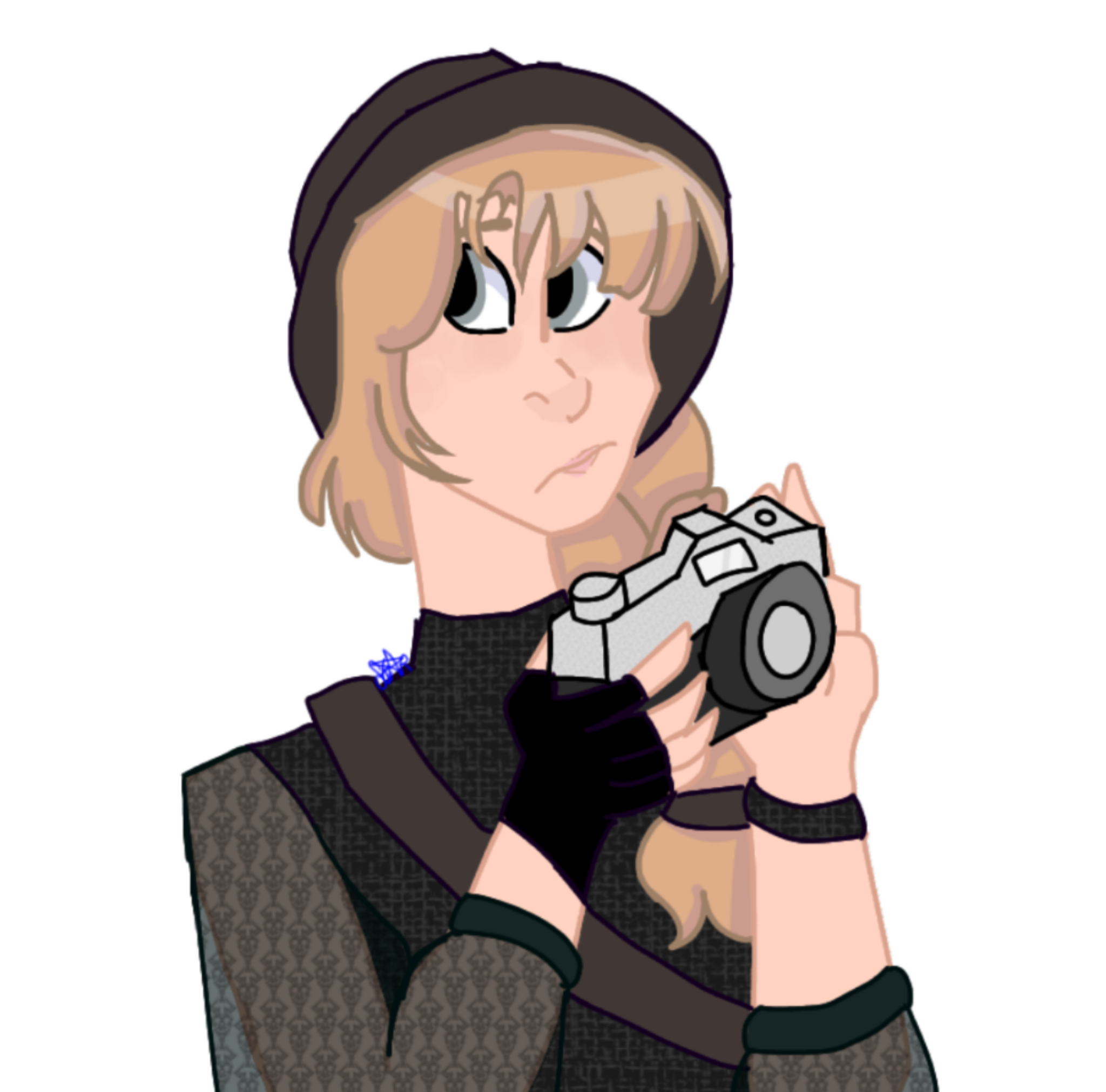
LOOK AT MY GHOST FIGHTING DAUGHTER SHE’S PERFECT
Listen, I love character art. I also love being recognized for my writing. But going back to the insane budgets spent by other indie authors, one indie author I saw budgeted $500 on character art for her books. $500!!! I get that the character art can be a useful tool for marketing, but it shouldn’t be an essential part of the budget. It’s something that’s super fun to see how another artist renders the characters that live in your head, and yes you should pay that artist well (especially for human work and not AI garbage), but your marketing and book should be able to live without them. I commissioned character art for my first novel How to Survive a Ghost Story from a fan and absolutely adore it to this day, but it was absolutely just a vanity purchase I splurged on as a gift to myself for my first book. None of my marketing or book sales were expected to depend on this art.
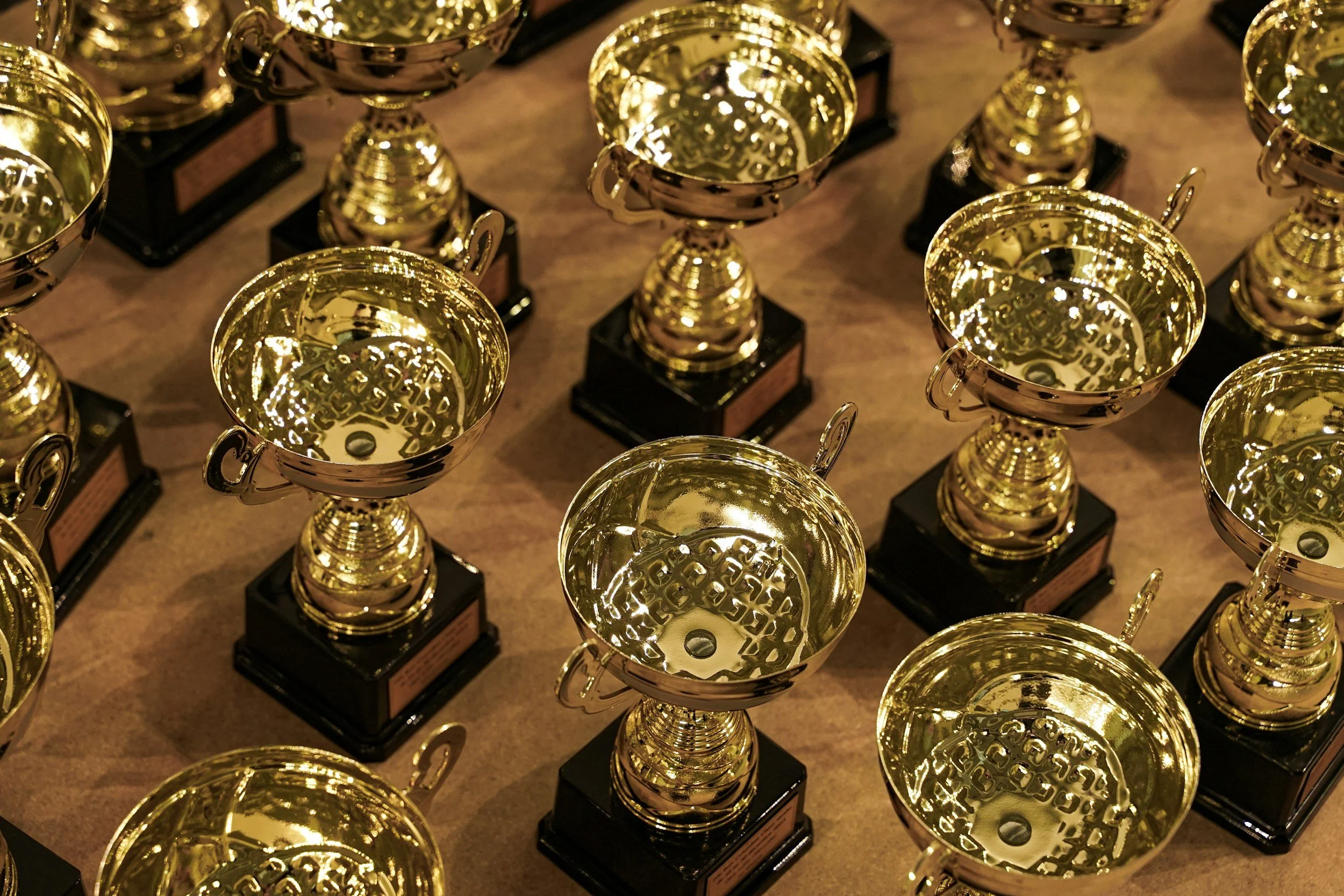
Similarly, writing “awards” don’t sell books. At best, self-submitted writing awards fuel an author’s ego. At worst, it’s one person’s way of scamming desperate writers out of $75 in submission fees for a made-up award that you can create for free on Canva and then print at the library, also for free. No one is going to read a book just because it was “Book Lover Festival Fair’s 1st Place Novel for Action/Adventure Fiction with the Word Monkey in the Title”. Not to mention, typically, when you pay for a book magazine/festival/digest/whatever to put your book in a competition, your only competition is the other people who are also willing to pay that fee. That competition is never going to actually determine if your book is the absolute best Action/Adventure Fiction with the Word Monkey in the Title in the world.
A decent book is going to be a decent book for the right reader regardless of accolades or character art associated with it. Boost your ego with these vanity projects, sure, because this is a tough business and sometimes you deserve a little pat on the back, but don’t pretend that special commissioned character art or a self-submitted writing award is the end-all-be-all to determine your novel’s success to the outside world.
Which brings me to:

Success is more than sales
A lot of indie authors focus on numbers for their book to determine if it’s successful. That makes sense, because we live in a late stage capitalist hellscape where our success is typically only determined by the amount of money a thing makes us. Who cares if a book was mediocre if it sold over two million copies in its six months (*cough cough* FOURTH WING *cough*) (New York Times)? Is Indie Author A better than Indie Author B because Indie Author A sold 402 copies of their sexy werewolf romantasy on Kindle Unlimited? But then if Indie Author B managed to sell five copies of their sexy werewolf romantasy in person, who’s the real winner?
The answer is: whoever you want it to be. That’s the beauty about indie publishing is that you get to determine your own success. Traditional publishing might be dependent on those sales numbers to determine if a large publisher continues publishing an author, but indie publishing frees you from that demand and lets you define your own success in this work. If that means buying yourself writing awards and character art for each and every book you publish, then fine go for it. If it means dropping a mortgage payment to make yourself Amazon’s top seller in a genre for a week, then enjoy yourself!
For me, the fact I get to even publish my books and have my words exist in the world outside of my head is success enough for me. I used to be a shy little book nerd in small town rural Kansas dreaming of being published and having my words live alongside the other books I loved so much. I scribbled stories on random pieces of paper, in old composition notebooks, and, on desperate occasions, on old receipts while waiting in the drive-through for food, waiting for the day I’d get to actually publish something other people could read. I write and publish my books for that shy little Kansas book nerd. Anything more than that is a bonus to my writing career and a blessing to experience.