
Don’t Shame the Non-Reader

Books are my life. They have been my life for, like, literally my entire life. I always had a book on hand when I was a kid, storing them in the front pocket of my backpack. As a student athlete, I brought books with me to read in between softball games. Even when I was balancing a slew of part time jobs and full time school in my early-20’s, I still always found a way to have a book on hand, usually reading in some parking lot of a fast food place or during a slower part of a shift. It’s hard for me to imagine a life where I’ve never read a book ever in it because books have been my constant companion for the majority of it.
However, it’s not hard for me to recognize that a life filled with books isn’t the life for everyone. We’re all individuals living on this floating rock together. Surely, we don’t all need to have the same experience in it and, in fact, our lives are richer for the diverse narratives our separate paths claim.
Recently, some celebrity declared that they’ve never once read a book ever in their life. I honestly really don’t know who this celebrity is, or care to learn who they are. But the response from the reading community regarding this celebrity’s claim disappointed me, and sort of validated why someone would feel the need to promote their lack of reading experience. Instead of asking why or how someone can go their entire life without reading a book, inviting a conversation for how to make reading more accessible or appealing for non-readers, it seemed like the kneejerk reaction from the reading community was to shame this individual for never reading a book in their life.

For a group of people who supposedly love words above all else, I can’t believe I have to spell this out: folks, shame is not how you encourage reading. There are a lot of reasons why someone might not be interested in books. I was lucky in the regard that my mom was a teacher who constantly had us surrounded by books. Either in our home or in her classroom we had to hang out in after school, my brother and I always had a book within arm’s reach and were encouraged to claim those books whenever we wanted to. My dad has never been a huge novel reader, but growing up, I always remember him reading the newspaper in his chair, letting the finished papers pile up next to it (to my mom’s annoyance), and, now that most media is digital, he still reads a ton of articles on his phone.
For some people, they’re not surrounded by this same reading environment. Books are not super accessible for people who don’t know where to look for them. Even active readers aren’t aware of their full reading options, as I’ve regularly had to introduce Libby and other book-selling options to members of my local book club who just weren’t aware of other options and only ever buy their books through Amazon (which, don’t do that please, but at least it’s an option available for books). While the American public school system typically assigns reading to students, let’s be honest and admit that required reading actually kind of sucks. I didn’t even read most of my required reading in school, because the books didn’t appeal to me, and I usually read everything that’s put in front of me. I’d also go so far as to claim I had a great American public education experience, but even my phenomenal English teachers couldn’t find a way to get me to actually read The Great Gatsby when I had Kristin Cashore’s Graceling series at my beck and call.
If someone has little or no exposure to books in general, how are they expected to innately enjoy the act of reading? Reading is not an accessible art form. Other forms of media, such as movies and TV or, heck, even TikTok, are incredibly accessible. For the most part, people just have to sit there and let the media play in front of them for them to engage with the content and find meaning in the larger narrative. The story is just told to them. There’s no effort required for the act.
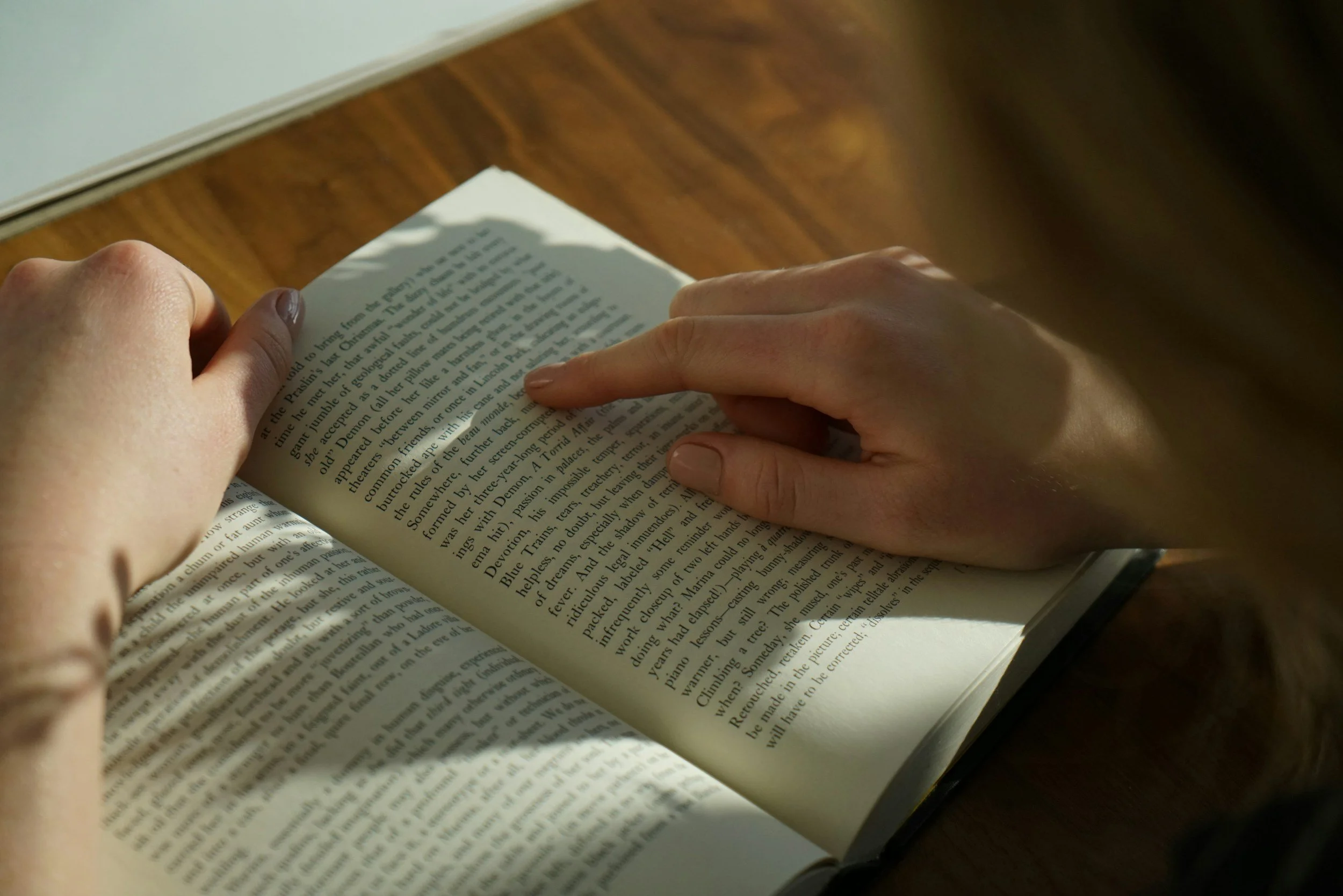
Readers have to build a specific skillset in order to even engage with books let alone actively enjoy them. First, a reader has to learn the actual act of reading, which may be a challenge in itself if the reader has a learning difficulty such as dyslexia. Then, once the act of understanding how letters placed next to each other become words is accomplished, those words have to be assigned meaning and the reader has to understand that meaning for each word. Then, once meaning and understanding is assigned to each word, the reader has to learn how to comprehend how that meaning can be relative and shifts based on the word placement or choice. Then, maybe, the reader might be able to string together an ultimately more nuanced understanding of the text from comprehending the deeper meaning behind each word placement. But, before they can do that, they also need to have the capability to fantasize and imagine realities beyond the cold hard printed words in front of them to conceptualize the imagined experience presented to them in a book.
Do you see where someone with little to no exposure to this practice might be intimidated by it?
Particularly if someone received little experience with reading during the usual stages of reading development, it can be even more shameful to engage with the activity later in life as it shows that they might be behind the flow. It doesn’t help that our current hyper-productivity culture promotes efficiency and excellence in an activity over claiming ineptitude. It’s easier to confess that you’ve just never done the thing than actually take a step back to learn the thing.
I hate to break it to you nerds too, but reading is not an innately morally superior activity. Yes, there are a lot of positive benefits to reading, such as mental stimulation, stress reduction, empathy cultivation, etc. (Healthline) but, at the end of the day, reading books does not innately make you a better person than someone who doesn’t read. Choosing to read just means you choose to spend your time engaging with books. That’s it. Other people choose to do other things with their time.
So instead of shaming folks who choose not to read, we need to use all of that empathy we supposedly learn from all of our book reading and have a conversation about why people aren’t motivated to read, or feel the need to celebrate the fact they don’t read. The fact readers are choosing to gate-keep this craft and declare that people who don’t read are morally inferior to them is likely a motivating factor for some folks to continue to not read and look for some leverage in the moral superiority game by declaring it’s actually cooler to not read. Non-readers have nothing to prove to us, but I’m sure they get sick of being told they suck just because they don’t choose to vividly hallucinate a 500 page epic fantasy of elves and gray moral ambiguity printed on old tree bark in their limited free time.

That’s why I never judge what other people read, or how they read. That lady who saw my “I love books” shirt at a brewery and loudly asked if I read smut? Sure thing, here’s a high five, random smut reading lady at the brewery. You go girl.
Only ever listen to audiobooks because you’re moving and grooving too much to sit down with a physical book? Same here! Some stories are best told through narration, and have been told this way for generations before we invented the printing press. Plus, I like getting reading time in while I walk my dog.
I even try to hold my breath when people tell me they buy books exclusively through Amazon. It’s not my favorite method of book procurement, nor is it the cheapest, but hey at least it gets people reading. Shaming folks for utilizing a service for their reading just because I disagree with the morals of the company doesn’t do anyone any favors and might discourage them outright from buying books. But if you want my thoughts on the best places to buy books that are not Amazon, please feel free to check out my post about it right here: The Best Places to Buy Books for Book Lovers! (Hint: Not Amazon) — Maddie Gudenkauf
If we want less proclamations celebrating how someone has never read a book in their life, we as readers need to take a hard look at ourselves and how we define literature to encourage more opportunities for non-readers to find joy in reading in a way that best serves their life. Gate-keeping the act does not benefit anyone. So you told someone they’re not as good as you because you like to read and they don’t, or that your love of deep, slow, classic literature is superior to someone else’s enjoyment of the fast fashion smut romantasy trash trending on social media. Do you feel better about that? Is there nothing else in your life to provide joy in it than declaring your hobby as the morally superior way to live life? Would your life not benefit from a new perspective engaging with your passion, sharing in your love in whatever capacity they can provide and bridging that connection over a shared appreciation of words rather than you remaining the sole judge of what is and isn’t enjoyable in life?

Personally, I love the challenge of recommending a book to a non-reader that they could love. That’s one of the magical things about books is that there are SO MANY of them! There’s surely at least one story in the world that could connect to the right person at the right time in the right way. If not, then I hate to break it to you nerds again, but that non-reader could still be living a well loved life. Books can make life brighter and better for some, but not for everyone. Let their real non-reading experiences still enrich your life like the imagined experiences presented by the fake characters in your beloved books. If you don’t shame non-readers for their lack of reading, then there’s no reason for them to shame you for your practice of reading either.
Live and let be, folks, and focus more on encouraging reading than gate-keeping it if you want more readers in this world. If you need additional motivation to read more, check out my blog post about tips on how to read more right here: How to Read More Books — Maddie Gudenkauf
Or you can always check out MY books that I wrote too if you need some books to read. I write really fun books: Books - Maddie Gudenkauf