
Reading 100 Books vs. Reading 1 Book Challenge

Reading is a magical experience. Where else can someone enjoy a rich and personal story about the human experience in a fantastic location all from the comfort of a favorite cozy reading spot? However, the motivation to read can be wanton compared to the undemanding luxuries of digital entertainment. It can be so much easier to mindlessly binge a TV show or scroll through an endless stream of social media than engage with a completely brand new world by reading a book, despite the clear benefits of reading over streaming.
That’s where reading challenges offer inspiration for people to read more. Reading challenges encourage people to set a number of books to read within a time frame (usually a year) as motivation to read more. We can thank Pizza Hut and their reward of a personal pan pizza for kids in the 90’s who read a set number of books or we can thank Goodreads and the promotion of their reading challenge to encourage people to track books on their site for the popularity of the reading challenge among readers. Either way, the reading challenge remains as a common method for folks to read more books just to meet their established reading goals.
Personally, I have a love/hate relationship with reading challenges. I recognize their effectiveness at inspiring more reading and encouraging people to engage with books they otherwise wouldn’t touch (which is good). But I also recognize that these reading challenges often create unnecessary stress if it’s perceived that the goal will be a struggle to reach and it can actually de-motivate folks from reading because they don’t want to handle the stress (which is bad).

I’ve always been a lifelong reader so I don’t personally recognize a reading challenge as my sole reason to read. But they’ve been great at expanding my reading habits in general. I’ve been practicing the Goodreads reading challenge since 2015, and synchronized it with Storygraph since 2023. I’ve claimed a wide array of goals through the years depending on my availability. I’ve gone as low as 22 (my favorite number) and as high as 100, but most of the time I’ve aimed for 50 books. I’ve hit my reading goals for the most part, even grossly exceeding them in recent years, and only falling short in my first year of the challenge before I figured out how it worked for me.
However, this year, I set my most bold reading goal yet: one. I just have to read one whole book for the whole year. Yes, I’ve already exceeded it.
To be honest, this has been my favorite reading challenge yet. No, it may not seem like much of a challenge for someone who read 135 books last year and 122 books the year before (yes, I’m humble bragging), but it’s really working for me.
In the past, I also achieved the 100 book challenge where I set the goal to read 100 books in a single year and then proceeded to read 100 books in a single year. Despite the supposed accomplishment that should come with meeting such a challenge, I actually really, really didn’t like that challenge. In fact, in retrospect, I kind of hated it. Even though it’s supposedly an impressive number to hit in a reading challenge, the 100 book challenge was an absolute soulsucker and I would never willingly do it again.
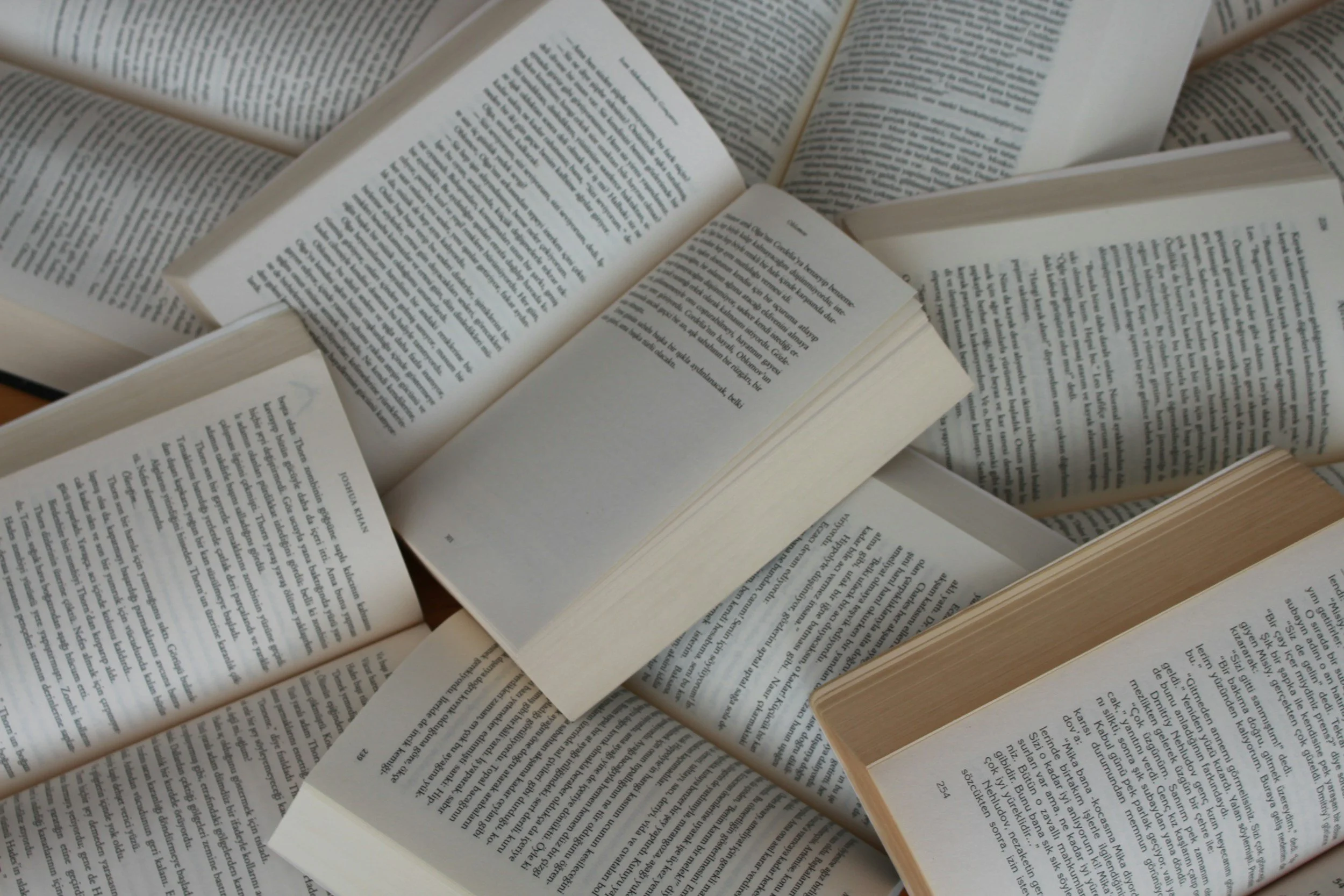
The difference is that reading 100 books is not a challenge of quality, but of quantity. I didn’t get to read what I wanted to read. In order to meet the high goal, I had to choose books outside of my usual comfort zone in order to get those quick wins to add a tick to my reading counter. The good news is that while it was annoying, forcing myself to read outside of my usual choices actually ended up being one of the few benefits to the challenge. The expansion outside of my reading interests allowed me to discover a bunch of new genres and authors that I never would’ve read otherwise. Reading the new types of books also allowed me to learn my personal reading speeds so I could time my reading attempts to meet the challenge. For example, self-help books are generally reads I can get done in a day, rom-coms with the cartoon covers and YA are about two days at the most, and any dense nonfiction or fantasy can take up to a week to finish. 100 books in a single year is also just a lot of books all at one time so I had to discover new and cheap ways to get my hands on books, like through the library or on my Kindle, in order to prevent draining my entire savings on brand new books. Thriftbooks even sent me a special gift package of merch that year as a thank you for all of the business I gave them.
So there were a lot of good parts to the 100 book reading challenge and, ultimately, I’m glad I did it. But it honestly just sucked the joy out of reading for me. For me, reading is an emotional act where I strive to personally connect to the text in one way or another, even going so far as to call most books my “friends” and getting excited as I would with an old friend when I unexpectedly see them in public. The 100 book challenge removed that intimacy for me. There’s even a handful of books that I read from that year where I have absolutely no recollection of reading them. They left no impact on my life other than just as a statistic for my reading challenge and that seems atrocious to me. In the following years, even though I would set my reading goal significantly lower, I found I could still read over 100+ books, but have a much better time with it since I was actually reading for personal preference again rather than striving to hit an arbitrary number. I never even got a personal pan pizza for reading all of those 100 books either!

Reading 100 books in a year also established a bad trend for my reading habit moving forward. Even though I set my reading challenge goal significantly lower, I’d still resist reading longer books. I knew larger books would be more emotionally satisfying, but I also knew slower texts would put me behind on my reading challenge. So I stayed the course with my easy and, frankly, non-challenging reads. As a result, even though I was still reading 100+ books a year, I was barely enjoying most things I read.
So, to even the odds, I set my reading challenge to one book this year. Again, I acknowledge that it’s not much of a challenge, but it has already made a tremendous difference in my reading habit. I’m now free to read for quality again rather than quantity. Despite the low number to meet, my one book reading challenge has still improved my reading efforts. I can finally tackle those beasty 500+ page novels I’ve been skipping because I don’t stress about how far a big book will set me behind on my reading challenge anymore. I also don’t have to worry about the unfamiliar style of a new genre or author throwing an unexpected wrench into my reading schedule so I can try new types of books. As a result, pretty much all of my books have been 4+ star reads this year compared to previous years where I averaged around three stars. I haven’t had such a good reading year since I started my Goodreads reading challenges and it’s been a joy to be free to actually enjoy reading for quality again rather than work towards a goal.
The moral of the story is that a formal reading challenge only works if it works for you. The 100 book reading challenge worked for me at the time so I could quickly expand my reading interests, discover my reading speed for books, and find cheap ways to read a large quantity of books. The one book reading challenge also works for me because it appeals to my current goal of reading more deeply rather than the shallow quick wins to add to the book counter. If your reading challenge isn’t meeting your goals for reading and de-motivates you rather than motivates you to read, then it’s not fulfilling its purpose. Make it work for you. Don’t let the outside world influence your relationship with reading. Whether you read one book or 100 books, you’re still a reader and you don’t need to meet a challenge to define you as one. But it’d be nice if we still got some free pizza for our efforts, right?
Pizza Hut, why have you forsaken us?